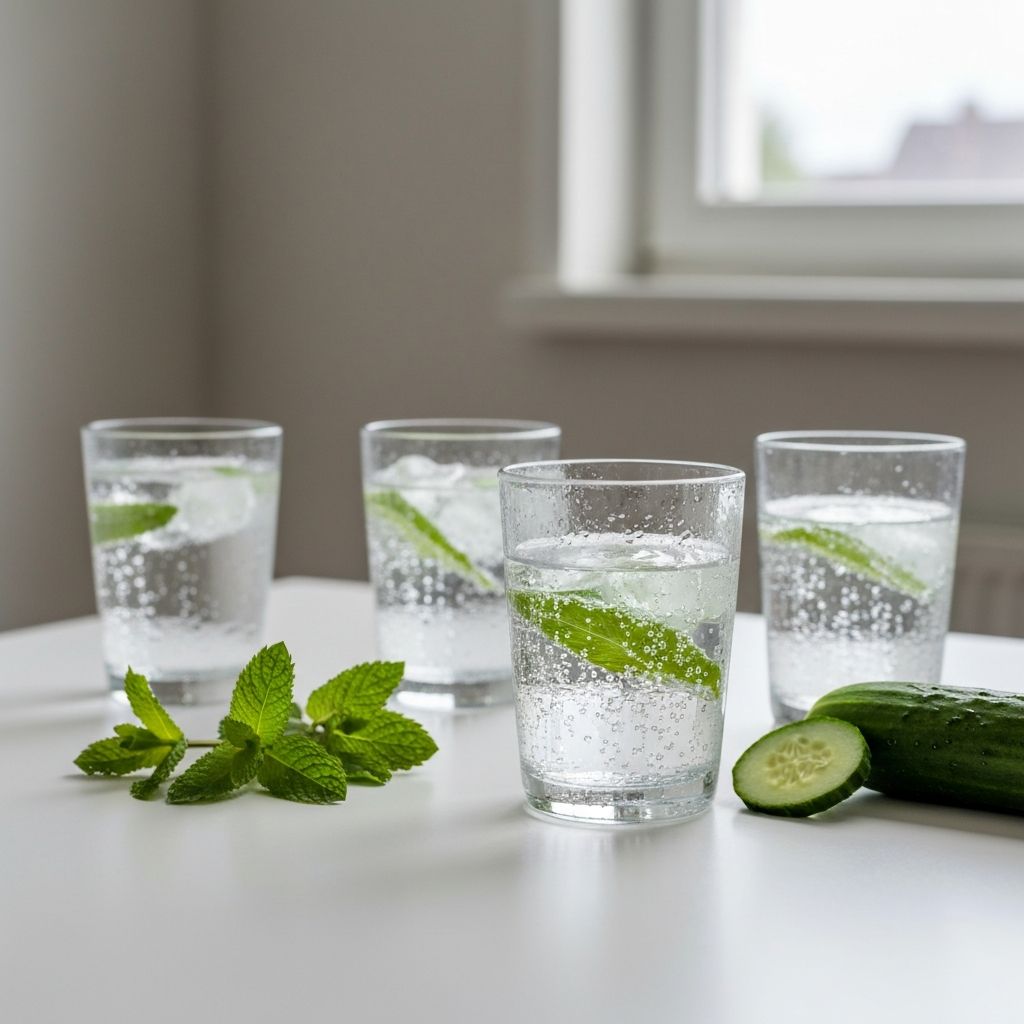
Why Water Matters
Water is fundamental to human physiology. It comprises about 50-60% of adult body weight and is involved in virtually every biological process. Understanding hydration is essential to understanding basic daily energy and body function.
Key Functions of Hydration
Throughout the day, water performs critical functions:
- Transporting Nutrients: Water carries nutrients from digested food to cells throughout the body.
- Removing Waste: Water helps kidneys filter and remove metabolic waste products through urine.
- Regulating Temperature: Perspiration (water evaporation) helps the body maintain a stable core temperature.
- Joint Lubrication: Water maintains synovial fluid in joints, enabling smooth movement.
- Digestion: Water is essential for breaking down food and absorbing nutrients in the digestive tract.
- Brain Function: The brain is about 75% water. Hydration affects cognitive function, mood, and concentration.
- Oxygen Transport: Water is a component of blood, which carries oxygen throughout the body.
Daily Hydration Needs
Individual hydration needs vary based on:
- Body size and composition
- Activity level and exercise intensity
- Climate and environmental temperature
- Overall health status
- Medications
- Age
General guidance suggests drinking water regularly throughout the day. Thirst is a natural signal of hydration needs for most healthy people in normal conditions.
Sources of Hydration
Water comes from multiple everyday sources:
- Drinking water and water-based beverages (tea, coffee)
- Foods with high water content (fruits, vegetables, soups)
- Other beverages (milk, juice)
All fluids contribute to daily hydration, though water is the most direct source.
Hydration and Energy Balance
Hydration supports the metabolic processes involved in energy balance. Proper hydration is necessary for:
- Effective digestion of food
- Efficient metabolism
- Proper kidney function in filtering waste
- Optimal physical performance and movement
Without adequate hydration, these processes function less efficiently, affecting overall daily energy patterns.
Common Everyday Situations
Hydration needs increase in common situations:
- During and after physical activity
- In hot weather
- At high altitude
- During illness (especially with fever or fluid loss)
- While pregnant or breastfeeding
Paying attention to hydration in these situations supports overall body function.
Educational Summary
Hydration is a fundamental aspect of daily body function and energy patterns. Adequate water intake supports metabolism, digestion, waste removal, temperature regulation, and countless other physiological processes. This is general educational information. For questions about your individual hydration needs, consult with healthcare professionals.